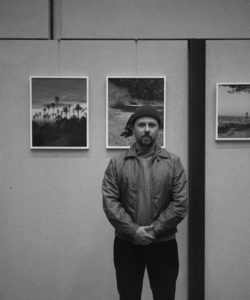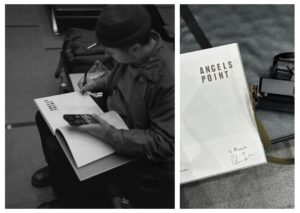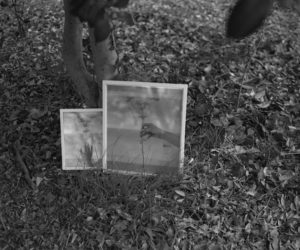
My photographs have been featured in HANDS, the 4th publication from Valentine Editions, a London-based independent publishing platform. I am absolutely delighted to see them appear in this beautiful case study publication and to be able to present my work alongside that of some superb artists. Once again, I would like to express my gratitude to the curator, Christine Marie Serchia -san (Director of SERCHIA Gallery)
I made a video of HANDS all pages (1″10′)
HANDS features photography by:
Cover. Gaël Forcet-Moreau 01. Miles Schleifer 02. Cinzia Laliscia 03. Sam Cashmore 04. Safia Mirzai 05. Phillipa Klaiber 06. llayda Akarca 07. Maria Siorba 08. Chloé Milos Azzopardi 09. Chloé Milos Azzopardi 10. Veronika Ward 11. Gabriele de Rossi 12. Joshua Bilton 13. Vincent Ferrané 14. Vincent Ferrané 15. Elisabeth van Sandick 16. Joe Charrington 17. Tim Willcocks 18. Eva Jonas 19. Lovisa Lager 20. Mar Fu Qi 21. Casey Bennett 22. Fleur Street 23. Anastasia Kemler 24. Jade Joannés 25. Dulcie Wagstaff 26. Miles Schleifer 27. Masato Ninomiya 28. Phillipa Klaiber 29. Angela Shaffer 30. Cinzia Laliscia 31. Josip Artukovic 32. Peah Guilmoth 33. Gaël Forcet-Moreau 34. Eli Lynch 35. Peter Dubinski 36 Back cover. Gaël Forcet-Moreau
Curated and Designed by Christine Marie Serchia
Digitally printed on 55 gsm improved newsprint
289 x 380 mm / 11.4 x 15 inches
£25.00 ▶︎ Valentine Editions
©︎ 2024 Valentine Editions publisher and the artists
HANDSの掲載者にはブライトン大学アートコースでBAを取得した卒業生、西イングランド大学アートコースの学生とBFA、MAを取得したその卒業生六名が含まれているようで、キュレーターのChristineさんは刷り上がったばかりのHANDSをその手に持って、イングランド内の大学で講演をされたらしい。
also Podcast PHOTO SLUT feat. Christine Serchia